Automatic Standby Generators vs. Portable Generator Systems
Property owners generally choose between two reliable backup electrical configurations based on budget and power requirements:- Automatic Whole-House Standby Generators: Permanently installed outside on a concrete pad, these systems connect directly to natural gas or LP propane fuel lines. When utility power drops, an Automatic Transfer Switch (ATS) senses the outage, signals the generator to start, and transfers electrical loads within 10 to 20 seconds without human intervention.
- Manual Transfer Switches & Generator Interlock Kits: For homeowners utilizing portable gasoline or dual-fuel generators, a manual transfer switch or mechanical panel interlock kit allows you to safely backfeed chosen circuits from an outdoor twist-lock power inlet box.
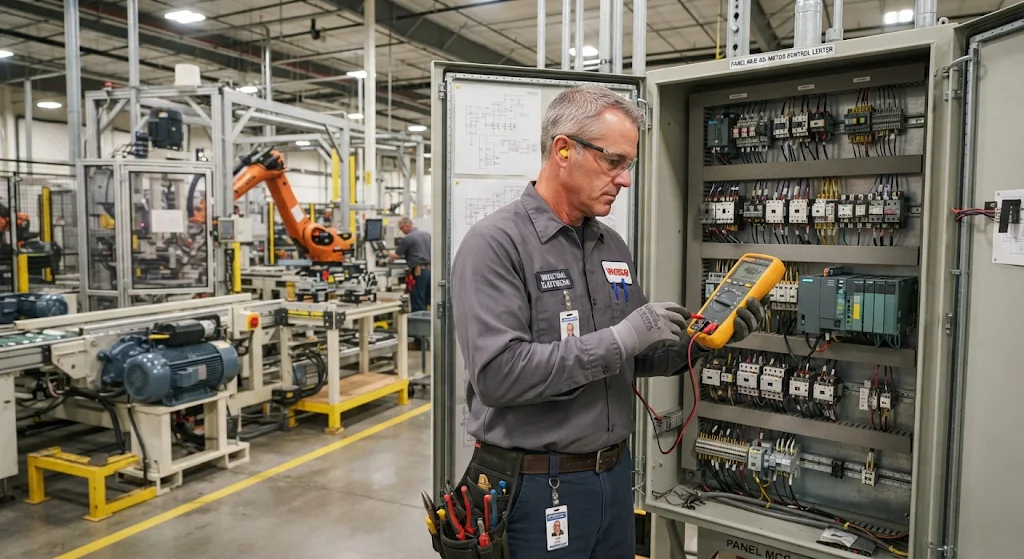
Critical Life-Safety & Backfeed Prevention
Operating a generator without code-compliant electrical integration is illegal and extraordinarily dangerous:The Hazard of Utility Backfeed: Connecting a generator directly into a wall outlet ('backfeeding') sends high-voltage electricity backwards through your service transformer into the utility grid. This energizes downed power lines and can fatally electrocute line utility workers working to restore neighborhood power. Massachusetts Electrical Code (527 CMR 12.00) strictly requires an approved transfer switch or UL-listed mechanical interlock that physically prevents utility power and generator power from being connected simultaneously.
Generator Load Management & Winterizing Maintenance
During extreme winter sub-zero temperatures, generators in Massachusetts face heavy starting loads from frozen compressors and high-demand heating elements. Smart power management modules (load shedders) prioritize essential circuits—such as hydronic heating circulators and well pumps—while temporarily locking out non-essential loads like clothes dryers or ovens until generator frequency stabilizes. Annual maintenance includes cold-weather kit installations (oil warmers and battery heaters), synthetic oil replacements, and spark plug checks to guarantee immediate starting when blizzard conditions strike.
Permitting, Siting & Municipal Code Requirements
Installing an automatic standby generator in Massachusetts requires close coordination between multiple trades and municipal authorities:- Electrical Permitting: A licensed Master Electrician pulls an electrical permit with the local Inspector of Wires to install the ATS, subpanels, and control wiring.
- Gas Plumbing Permitting: A licensed gas fitter connects the fuel line to natural gas or propane tanks and pulls a gas permit.
- Clearance & Setback Compliance: NFPA 37 and local zoning bylaws dictate minimum clearance distances from operable building windows, doors, air conditioning intakes, and property lot lines to prevent deadly carbon monoxide intrusion.
- Final Wire & Plumbing Inspection: Official sign-off by municipal inspectors guarantees safe operation.
Connecting with Independent Electricians Through WATT911
WATT911 serves as an independent connection resource for Massachusetts property owners. We do not dispatch proprietary field crews or perform electrical work directly. When you call our network line at (888) 605-9975, we match your request with an independent, licensed electrical contracting business serving your municipal jurisdiction. You communicate directly with the licensed contractor to review project parameters, obtain written estimates, and verify insurance.